Understanding the Role of a Thoracic Surgeon in Healthcare
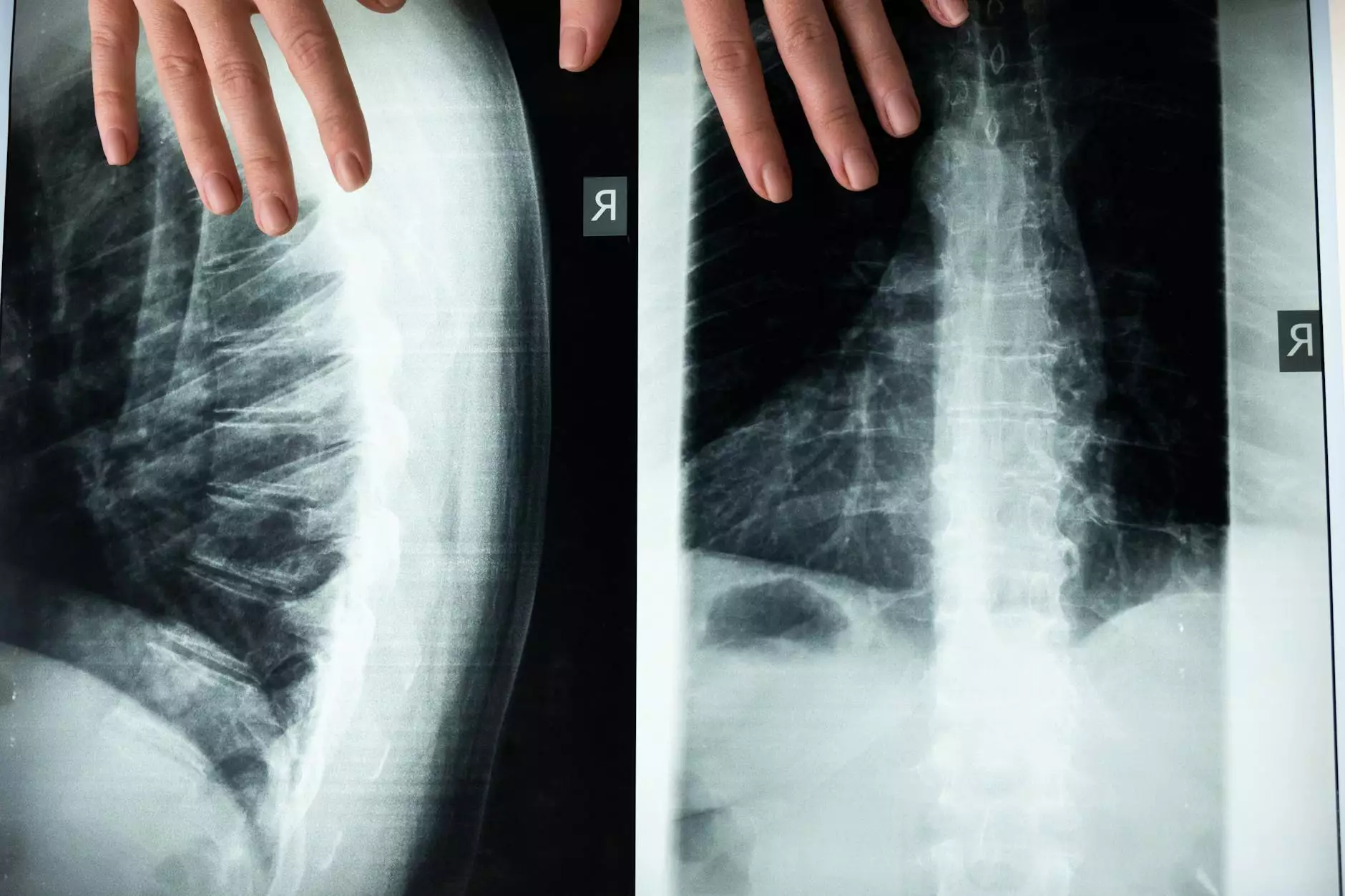
The field of medicine is incredibly diverse and specializes in various areas that cater to the specific needs of patients. One of the most critical specialties within this landscape is that of a thoracic surgeon.
The Importance of the Thoracic Surgeon
A thoracic surgeon focuses on surgical treatments for diseases and conditions affecting the thorax, including the lungs, heart, and other structures in the chest. Their expertise is paramount in providing care for patients requiring complex surgical procedures. Here’s a closer look at the significance of their role:
- Surgical Interventions: They perform operations to treat issues such as lung cancer, esophageal disease, and heart disease.
- Diagnosis: Thoracic surgeons are skilled in diagnosing conditions that require surgical attention, often using advanced imaging techniques.
- Postoperative Care: They manage postoperative recovery, ensuring that patients heal properly and addressing any complications that may arise.
Training and Credentials of a Thoracic Surgeon
Becoming a thoracic surgeon requires an extensive educational and training path. The typical journey includes:
- Medical School: A four-year program culminating in a medical degree.
- Residency Program: Completion of a general surgery residency that lasts five years, focusing on a wide variety of surgical procedures.
- Fellowship Training: An additional two to three years of specialized training in thoracic surgery.
Following their training, thoracic surgeons must also pass a rigorous board examination to become certified and ensure they meet the standards of care required in their specialty.
Common Procedures Performed by Thoracic Surgeons
Thoracic surgeons perform a wide variety of surgical procedures, some of the most common include:
1. Lobectomy
A lobectomy involves the removal of one lobe of the lung. This procedure is often performed to treat lung cancer or other serious lung diseases. The goal is to remove affected tissue while preserving as much lung function as possible.
2. Pneumonectomy
This procedure involves the removal of an entire lung, generally following a diagnosis of advanced lung cancer. Pneumonectomy is a complex operation that requires careful preoperative planning and postoperative management.
3. Esophagectomy
An esophagectomy is the surgical removal of part or all of the esophagus, often performed for esophageal cancer or severe esophageal conditions. This surgery can lead to significant changes in a patient’s digestion and swallowing capabilities.
4. Thoracotomy
A thoracotomy is a surgical procedure providing access to the chest cavity for various conditions, including trauma or tumors. This operation can be essential for direct intervention and diagnosis.
The Intersection of Thoracic Surgery and Other Medical Fields
The role of a thoracic surgeon intersects with various medical disciplines, enhancing the overall care provided to patients:
1. Collaboration with Oncologists
In cases of lung cancer, thoracic surgeons work closely with oncologists to provide a comprehensive treatment plan that may include surgery, chemotherapy, and radiation therapy.
2. Coordinating with Pulmonologists
Pulmonologists focus on respiratory conditions, and their expertise is crucial for pre-operative evaluations and postoperative pulmonary care.
3. Integration with Rehabilitation Specialists
Post-surgery, thoracic surgeons often collaborate with physical therapists and rehabilitation specialists to develop a tailored recovery program, ensuring patients regain their strength and mobility effectively.
Advancements in Thoracic Surgery
Advancements in medical technology have significantly transformed the practice of thoracic surgery. Techniques like minimally invasive surgery are changing the landscape:
- Video-Assisted Thoracoscopic Surgery (VATS): This technique allows surgeons to perform complex procedures using small incisions and a camera, which can lead to faster recovery times.
- Robotic Surgery: State-of-the-art robotic systems enable surgeons to operate with enhanced precision and control, improving outcomes and reducing complications.
- 3D Imaging Technology: Advanced imaging allows for better surgical planning and intraoperative navigation, which is crucial for complex cases.
Patient Care and Experience
When considering surgery, patients often experience anxiety and uncertainty. A crucial part of a thoracic surgeon’s role is to provide comprehensive care and support:
1. Preoperative Counseling
Thoracic surgeons spend considerable time counseling patients preoperatively, explaining procedures, expected outcomes, and risks involved. This thorough discussion helps to build trust and ensure informed decision-making.
2. Support Systems
The journey through thoracic surgery is supported by a multidisciplinary team, including nurses, anesthetists, and social workers, all dedicated to the patient’s well-being.
3. Follow-up Care
Post-surgery, follow-up appointments are essential to monitor healing, provide support, and obtain feedback regarding the patient's physical and emotional recovery. This ongoing relationship is vital in helping patients adapt to life after major surgery.
Conclusion
The expertise of a thoracic surgeon is invaluable within the realms of health and medical care. Their specialized training, commitment to patient welfare, and collaborative approach with other medical professionals allow them to deliver exceptional surgical care. As medical technology continues to advance, the future of thoracic surgery promises even greater innovations that will improve patient outcomes and elevate the standard of care.
For individuals faced with challenges related to thoracic conditions, seeking the guidance of a specialized thoracic surgeon can make a significant difference in achieving a successful treatment journey. Understanding their role can empower patients to make informed choices about their healthcare needs.