The Rise of Multiplayer Games: A New Era in Gaming Development
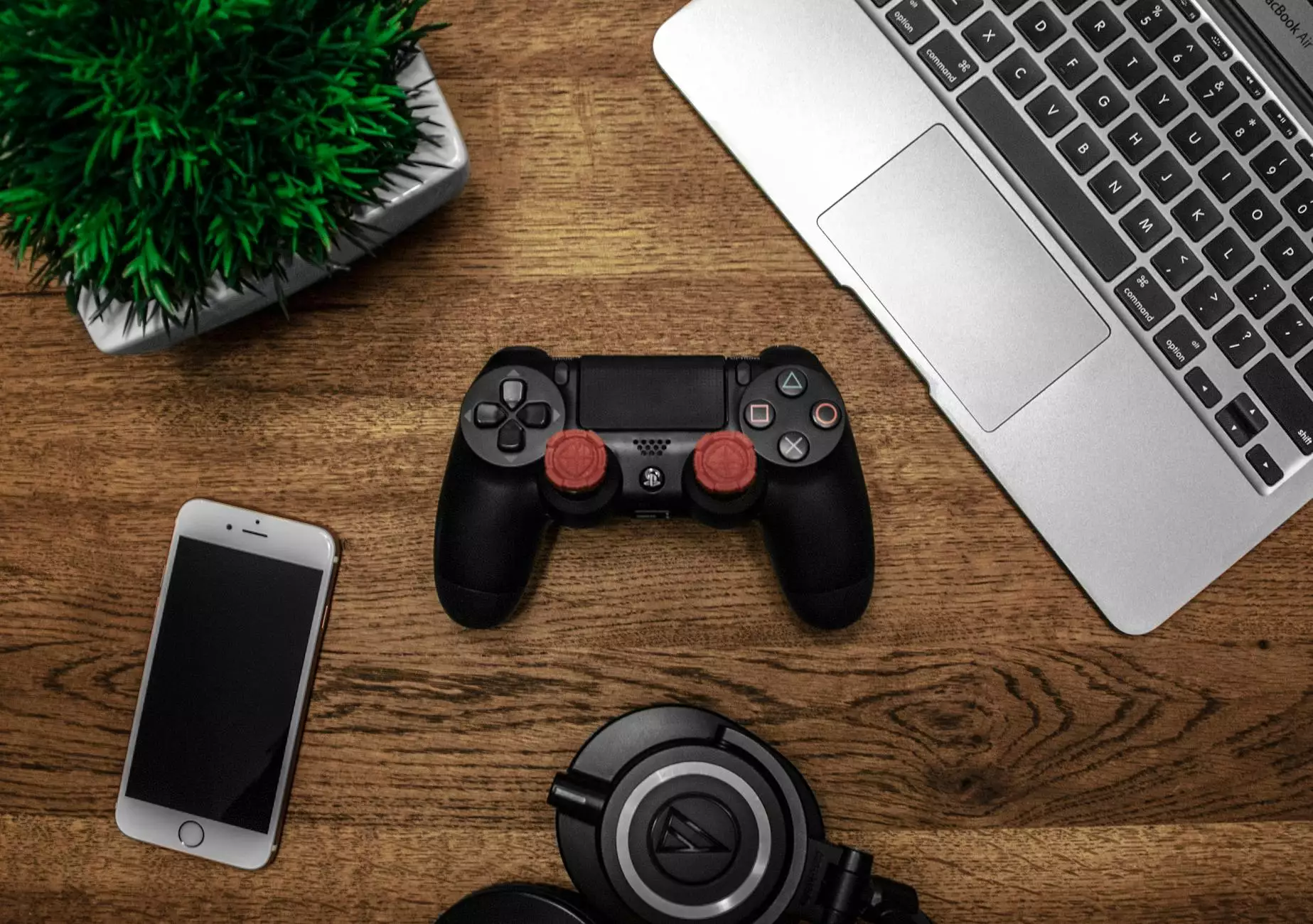
The gaming industry has transformed dramatically over the last decade, with multiplayer games taking center stage. As technology advances, players are increasingly drawn to the thrill of competing and collaborating with others in immersive online environments. This burgeoning demand is shaping the landscape for game developers, creating unparalleled opportunities for innovation.
What is a Multiplayer Game Development Company?
A multiplayer game development company specializes in creating interactive gaming experiences that allow multiple players to engage with one another simultaneously, either locally or online. Unlike single-player games that focus on individual experiences, multiplayer games emphasize player interaction, teamwork, and competition. These companies leverage the latest technologies, including cloud computing, game engines, and social networking, to build engaging platforms where players can immerse themselves fully.
The Importance of Choosing the Right Development Partner
Selecting the right game development outsourcing company is crucial for ensuring the success of your multiplayer game. Here's why:
- Expertise in Multiplayer Dynamics: Multiplayer games require a complex architecture that supports multiple users and interactions in real-time. An experienced development company has the knowledge to build robust systems that handle this complexity.
- Access to Cutting-Edge Technology: Top multiplayer game development companies utilize advanced tools and platforms that enhance gameplay, improve graphics, and ensure stability across devices.
- Game Monetization Strategies: Understanding how to monetize a multiplayer game effectively is essential. Professionals know how to implement in-game purchases, advertising, and subscription models that resonate with players.
- Continual Support and Updates: Ongoing support and updates are crucial in maintaining player engagement and satisfaction. Developers understand the need for regular content releases, bug fixes, and feature enhancements.
Core Components of Multiplayer Game Development
Developing a successful multiplayer game involves several key components, including:
1. Game Design and Conceptualization
The first step in the development process is defining the game concept. This includes identifying the target audience, creating a game plot, and designing the play mechanics. A good multiplayer game engages players and encourages them to form social connections through gameplay.
2. Choosing the Right Game Engine
The choice of game engine significantly impacts the game's quality and performance. Popular engines like Unity and Unreal Engine offer powerful features and tools that facilitate intricate game development elements such as graphics rendering, physics, and networking capabilities.
3. Backend Development
The backend architecture is the backbone of multiplayer games. A multiplayer game development company must design a scalable server architecture that can handle traffic, user authentication, matchmaking, and real-time game state synchronization.
4. Networking Features
Reliable networking is crucial in a multiplayer setting. This includes utilizing protocols like WebRTC or UDP to ensure smooth interactions and synchronization between players’ devices, minimizing latency, and lag during gameplay.
5. User Interface (UI) and User Experience (UX) Design
An intuitive UI and engaging UX are fundamental. Players should be able to navigate seamlessly through menus, inventory, and character selection screens. Proper UI design enhances user satisfaction while playing.
6. Testing and Quality Assurance
Rigorous testing is essential in multiplayer game development to identify bugs, glitches, and balance issues. A dedicated QA team will perform extensive testing in various scenarios to ensure a smooth and enjoyable player experience.
Benefits of Outsourcing Game Development
Outsourcing your multiplayer game development can provide numerous advantages, including:
- Cost-Effectiveness: Partnering with experienced developers reduces overall costs associated with hiring, training, and retaining in-house teams.
- Access to Global Talent: By outsourcing, you can tap into a diverse pool of talented professionals from around the world, each bringing unique perspectives and skills.
- Faster Time to Market: Experienced outsourcing companies can expedite the development process, ensuring your game reaches the market quickly while maintaining quality.
Key Considerations When Choosing a Multiplayer Game Development Company
When selecting the right game development partner, consider the following factors:
1. Portfolio and Experience
Review the company's portfolio to gauge their experience in developing multiplayer games. Look for examples that showcase their ability to create engaging and high-quality games. Experience in your game genre can also be a significant advantage.
2. Team Expertise
Assess the skill set of the development team. A well-rounded team should include game designers, programmers, artists, and marketing professionals to cover all aspects of game creation effectively.
3. Communication and Collaboration
Effective communication is key in an outsourcing partnership. Ensure the company is open to collaboration, feedback, and regular updates throughout the development process.
4. Post-Launch Support
After launching the game, ongoing support for updates, bug fixes, and new features is crucial. Confirm that the outsourcing company offers a plan for maintaining and improving the game post-launch.
Success Stories from the Gaming Industry
Numerous multiplayer games have successfully leveraged the expertise of dedicated development companies. Here are a few notable examples:
1. Fortnite
Developed by Epic Games, Fortnite's massive success can partly be attributed to its ongoing commitment to updates, competitive gameplay, and community engagement. They frequently collaborate with various partners, showcasing the importance of teamwork in game development.
2. Call of Duty: Warzone
By building on the Call of Duty franchise, Warzone integrated multiplayer elements seamlessly, providing players exciting gameplay while innovating through regular updates and seasonal content.
3. Among Us
In the recent surge of popularity, Among Us demonstrated how simple mechanics can lead to massive local and online multiplayer engagement, highlighting the value of clever game design and understanding the audience's needs.
Trends Shaping Multiplayer Game Development
To stay competitive, a multiplayer game development company must keep up with emerging trends in technology and player preferences:
- Virtual Reality (VR): As VR technology evolves, more developers are looking to create immersive multiplayer experiences in virtual realms.
- Cloud Gaming: This trend allows players to enjoy high-quality games without needing powerful hardware, promoting instant access to multiplayer experiences.
- Cross-Platform Play: Games that allow players on different devices to engage with each other are becoming increasingly popular, breaking down barriers in the gaming community.
- Artificial Intelligence: AI is driving innovations in gameplay, enhancing NPC behaviors, and creating dynamic storylines that adapt to player choices.
Conclusion: Your Path to Multiplayer Gaming Success
In a thriving industry driven by player engagement and technological advancements, choosing a proficient multiplayer game development company is more critical than ever. Whether you are a start-up or an established business, the right development partner can help bring your vision to life and secure your place in the gaming world. With careful consideration of factors such as expertise, communication, technology, and ongoing support, your game can reach new heights of success and offer unforgettable experiences to players around the globe.
Visit Pinglestudio.com today to explore how we can help you thrive in the multiplayer gaming sphere!