Understanding Lung Cancer CT Scans: Key Insights and Importance
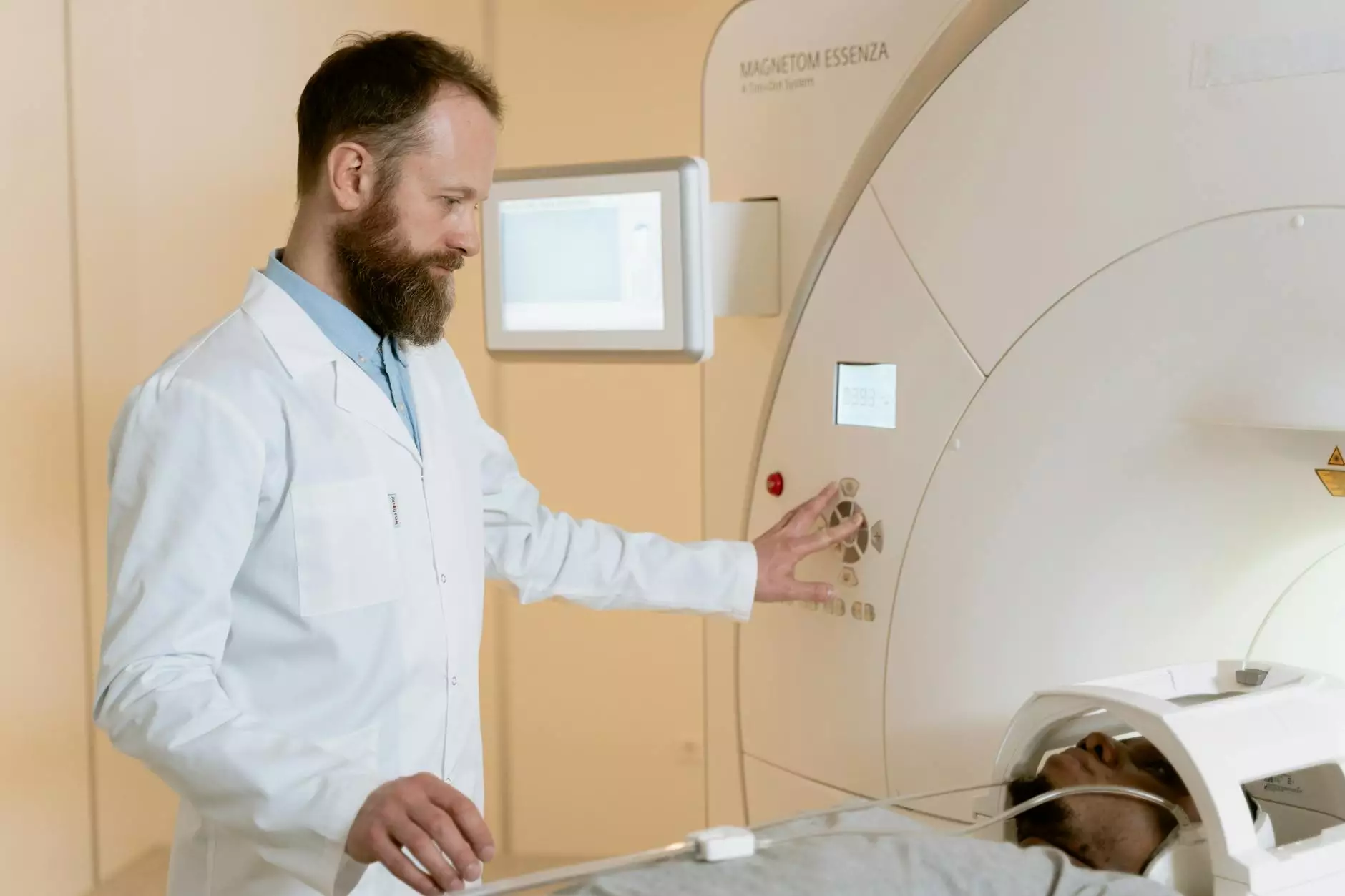
Lung cancer is one of the leading causes of cancer-related deaths worldwide, underscoring the urgent need for effective screening and diagnostic measures. CT scans (computed tomography scans) have emerged as a powerful tool not only for diagnosing lung cancer but also for assessing the condition of the lungs and guiding treatment plans.
What is a Lung Cancer CT Scan?
A lung cancer CT scan is a specialized imaging technique that provides detailed images of the lungs and surrounding structures. This advanced imaging modality uses a series of X-rays taken from different angles and processes them using computer algorithms to create cross-sectional images.
Why Are Lung Cancer CT Scans Crucial?
The significance of CT scans in lung cancer is paramount for several reasons:
- Early Detection: CT scans can identify lung nodules and tumors at an early stage when they are most treatable.
- Precise Localization: These scans help in precisely locating the tumor, which is vital for planning surgical interventions or radiation therapy.
- Monitoring Treatment Response: CT scans are essential in evaluating how well a patient is responding to treatments such as chemotherapy or radiation.
- Surveillance: For patients who have been treated for lung cancer or are at high risk, regular CT scans help in monitoring for potential recurrence.
The CT Scan Process
Understanding the lung cancer CT scan process can alleviate concerns and prepare patients for their imaging experience. Here's what to expect:
Preparation
Before the scan, patients may be required to:
- Avoid eating and drinking for a few hours.
- Remove any metal objects from their clothing—jewelry, watches, and hairpins—which can interfere with the imaging.
- Discuss any medications or health conditions with their healthcare provider.
The Procedure
The actual CT scan procedure is typically quick and straightforward:
- Patients will lie on a narrow examination table that slides into the CT scanner.
- They may be instructed to hold their breath for a few seconds while the images are captured to reduce motion artifacts.
- Contrast materials might be used to enhance the visibility of certain areas within the lungs, which can be administered via injection.
Duration
The entire CT scan process usually takes about 15 to 30 minutes. After the scan, patients can resume their normal activities unless otherwise directed by their physician.
Interpreting CT Scan Results
Once the CT scan is completed, a radiologist will review the images and prepare a report detailing findings related to potential tumors, nodules, or abnormalities. Common terms found in reports include:
- Nodule: A small round growth that may require further examination.
- Mass: A larger tumor which may be benign or malignant.
- Opacity: Areas that appear denser than the surrounding lung tissue, which can indicate infection, inflammation, or malignancy.
Advantages of Using CT Scans Over Other Imaging Techniques
Compared to standard chest X-rays, CT scans offer several advantages:
- Higher Sensitivity: CT scans can detect smaller tumors that X-rays may miss.
- Three-Dimensional Imaging: CT scans provide comprehensive views, allowing for better assessment of the tumor's relationship with surrounding structures.
- Faster Results: Quick image acquisition and processing lead to timely diagnosis and intervention.
Potential Risks and Considerations
While CT scans are invaluable, it's important to understand the potential risks:
- Radiation Exposure: CT scans expose patients to a higher dose of radiation compared to standard X-rays. However, the benefits often outweigh the risks, particularly when considering the possibility of early cancer detection.
- Contrast Reactions: If a contrast agent is used, some patients may experience allergic reactions or kidney issues. It’s essential to inform the medical team of any known allergies or pre-existing conditions.
Lung Cancer Statistics and Impact
According to the American Cancer Society, lung cancer accounts for approximately 13% of all new cancer cases but leads to a staggering 22% of cancer-related deaths. The lung cancer CT scan plays a critical role in changing these statistics through early detection among at-risk populations, particularly those with a history of smoking or exposure to secondhand smoke.
Who Should Consider Lung Cancer Screening?
Screening for lung cancer may be beneficial for:
- Individuals aged 50 to 80 years with a significant smoking history (30 pack-years or more).
- Current smokers or those who have quit within the past 15 years.
- Patients with other risk factors, such as a family history of lung cancer.
Advancements in Lung Cancer Imaging
The field of lung cancer imaging is continuously evolving. Recent advancements include:
- High-Resolution CT Scans: Offering even clearer images that enhance diagnostic accuracy.
- AI Integration: Utilizing artificial intelligence to improve detection rates and reduce false positives.
- Functional Imaging: New techniques that allow assessment of lung function alongside structural imaging, providing comprehensive insights.
Complementary Approaches in Lung Cancer Care
In addition to CT scans, lung cancer care often involves a multidisciplinary approach, incorporating:
- Physical Therapy: Aiding in recovery post-surgery and improving overall physical health.
- Sports Medicine: Helping patients regain strength and endurance after treatment, promoting a healthy lifestyle.
- Palliative Care: Focusing on improving quality of life at any stage of the disease.
Conclusion
In summary, the lung cancer CT scan is an essential diagnostic tool that plays a pivotal role in the fight against lung cancer. Its ability to detect cancer early, guide treatment, and monitor ongoing health makes it an invaluable component of modern healthcare practices. By raising awareness and utilizing these advanced imaging techniques, we can hope to reduce the impact of lung cancer on lives around the globe.
For those seeking more information on lung cancer screenings or related health concerns, do not hesitate to reach out to healthcare professionals or visit HelloPhysio.sg for expert guidance in health and medical services.